Story By Mikaela Juliana Balazuela, CVPro
Listening is more than hearing words. Listening is recognizing the humanity behind every story.
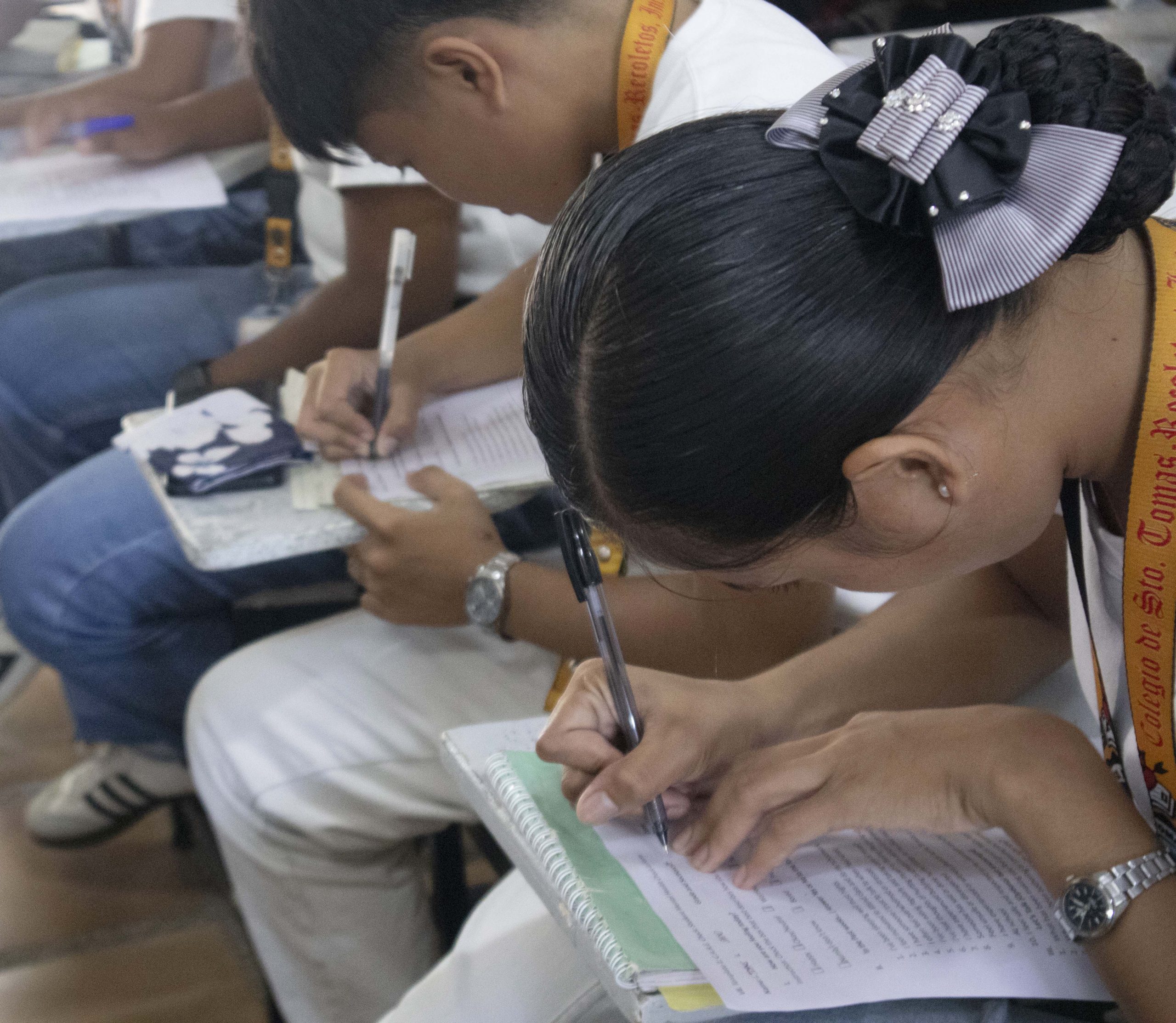
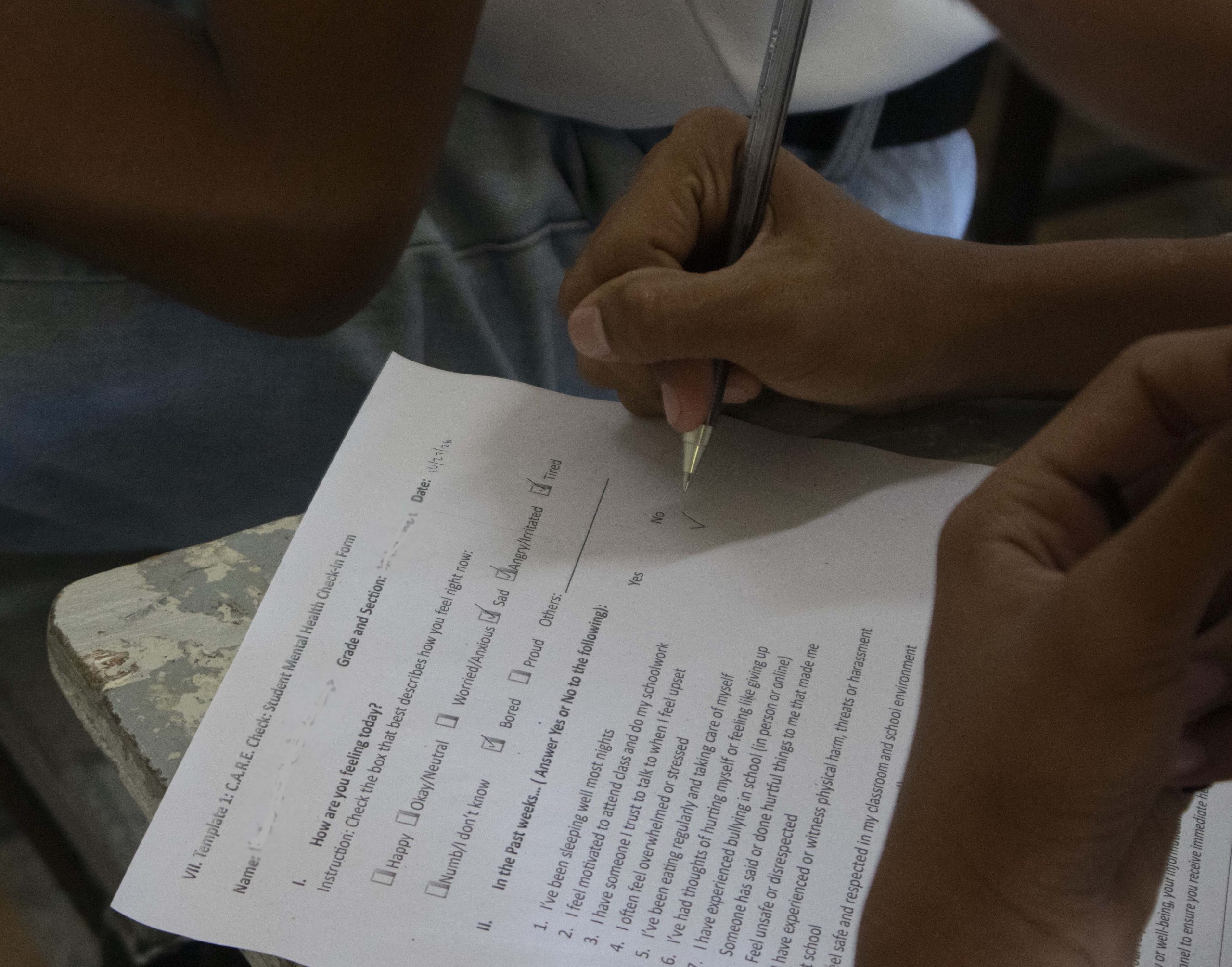
Carrying this understanding, the student delegates and advisers of the Colegio de Sto. Tomas–Recoletos, Inc. (CST-R) Peer Facilitators Club attended the 5th Negros Occidental Mental Health Summit last October 18, 2026, at the President’s Hall of the University of Negros Occidental–Recoletos (UNO-R).
With the theme, “Lived Experiences Heard: Real Voices, Real Change,” the summit brought together mental health professionals, advocates, students, and partner organizations to foster deeper understanding of mental health and the experiences that often remain unheard.
Ms. Nicca Joy Francisco, during her opening remarks emphasized that the keynote sessions will focus on learning how to listen to people’s experiences without judgment nor bias.
In his keynote speech, read to the summit, Dr. Johnny B. Decatoria, RPSY, D.A.A.E.T.S., stated that sometimes people simply need someone who will listen, believe them, and remind them that they are not alone. Dr. Decatoria’s message reflected the essence of peer facilitation: creating a safe space where every voice matters.
Beyond individual experiences, the summit highlighted the importance of building communities that protect and nurture mental well-being, particularly within educational institutions.
P/BGen. Rudicendo L. Reales, Regional Director of the Police Regional Office in Negros Island Region (PRONIR), presented the CAMPUSAYA.
CAMPUSAYA means “Campus na Masaya,” a program that envisions schools where every student feels safe, supported, included and empowered to learn and grow. Guided by the message “Resilient Minds, Kind Hearts, Zero Hate,” the program promotes peer gatekeeping, mental resilience among students and parents, and enhanced campus security and response. Pcol. Gilbert T. Gorero of the Police Regional Staff further explained CAMPUSAYA and the activities under it which involve the reinforcement of the role of peer facilitators in recognizing concerns, encouraging students to speak up, and guiding those in need toward appropriate support.
The plenary sessions explored the different dimensions of mental health and human relationships. Graziela B. Salvilla, MA, RPm, RGC, and John Dave A. Abaño, MS, LPT, RPsy, discussed “Learning the Art of Loving: Beyond Self, Toward Others.”
Among the take-aways during the session was that love is more than a feeling because it requires care, responsibility, respect, and understanding. The discussion also underscored the importance of self-love in order to maintain healthy relationships without neglecting one’s own well-being.
Meanwhile, Jose Leonardo L. Degillo, PhD, RGC, LPT, RPsy, presented “Gamangô Ko Basta Kamo!: Confessions of a Mental Health Professional Facing Family Problem.” The talk included perspectives on family-related challenges.
Dr. Ana Lou Panganiban, RGC, RPSY, CFPE, CMT explored human sexuality in “Understanding Sexology in the World of Psychology: Learning and Exploring Together.” Together, the sessions encouraged participants to approach personal experiences and relationships with greater openness, respect, and empathy.
Professional responsibility and compassionate care were the topics of Lance Cary D. Fuentes, RPsy, RPm. Fuentes’s talk entitled “Qualified, but Competent?: Certifications, Clinical Supervision, and the Commodification of Mental Health” discussed the paradigm that professional credentials alone do not guarantee competence. He cited the importance of continuous learning, clinical supervision, and ethical practice and reminded participants that mental health care should prioritize people over profit.
Similarly, Richelle Verdeprado-Mangga, RSW, MSW, PhD, JD, discussed “Healing with Care: Trauma-Informed and Gender-Responsive Practice.” The mechanics of neglect and traumatic experiences and their influence a person’s behavior and coping mechanisms were discussed. These discussions served as reminders that behind every behavior may be an experience that others do not fully understand, making patience and compassion essential in supporting others.
More than a gathering of speakers and discussions, the 5th Negros Occidental Mental Health Summit served as a reminder that mental health advocacy begins with the willingness to see people beyond their struggles and hear them beyond their words.
For peer facilitators, they learned that advocacy does not always mean having the right words or knowing how to solve every problem. It could also begin with listening, offering understanding, and helping someone find the support they need.